All Categories
Featured
What Drives Corporate Growth in the Modern Market?

Major Regional Growth Milestones for 2026 Brands
Smart Methods to Increase Market Presence via Expansion
Table of Contents
Listen to the post 17 min This audio is auto-generated. Please let us understand if you have feedback. Following a year of broad financial unpredictability that stifled development for hotels, hospitality market leaders are looking toward 2026 with cautious optimism. Increasing operational costs are slated to challenge owners this year and lower-tier segments might have a hard time amid a growing wealth bifurcation.
And through everything, hotel business are expected to strengthen their portfolios with new brand name offerings and collaborations. As the year gets underway, Hotel Dive talked with hospitality leaders from varying corners of the industry about their 2026 forecasts. Below are the leading patterns anticipated to impact hotel operations, performance, net system growth and more this year.
Overall salaries, salaries and advantages paid by U.S. hotels rose to $127 billion in 2025, according to data from the American Hotel & Accommodations Association, shared with Hotel Dive. In 2026, that figure is forecasted to climb up to $131 billion, representing an approximately 3% year-over-year boost, per AHLA. For hotel owners, increasing labor costs posture a difficulty to net operating income development, Kevin Davis, Americas CEO at JLL Hotels & Hospitality, told Hotel Dive.
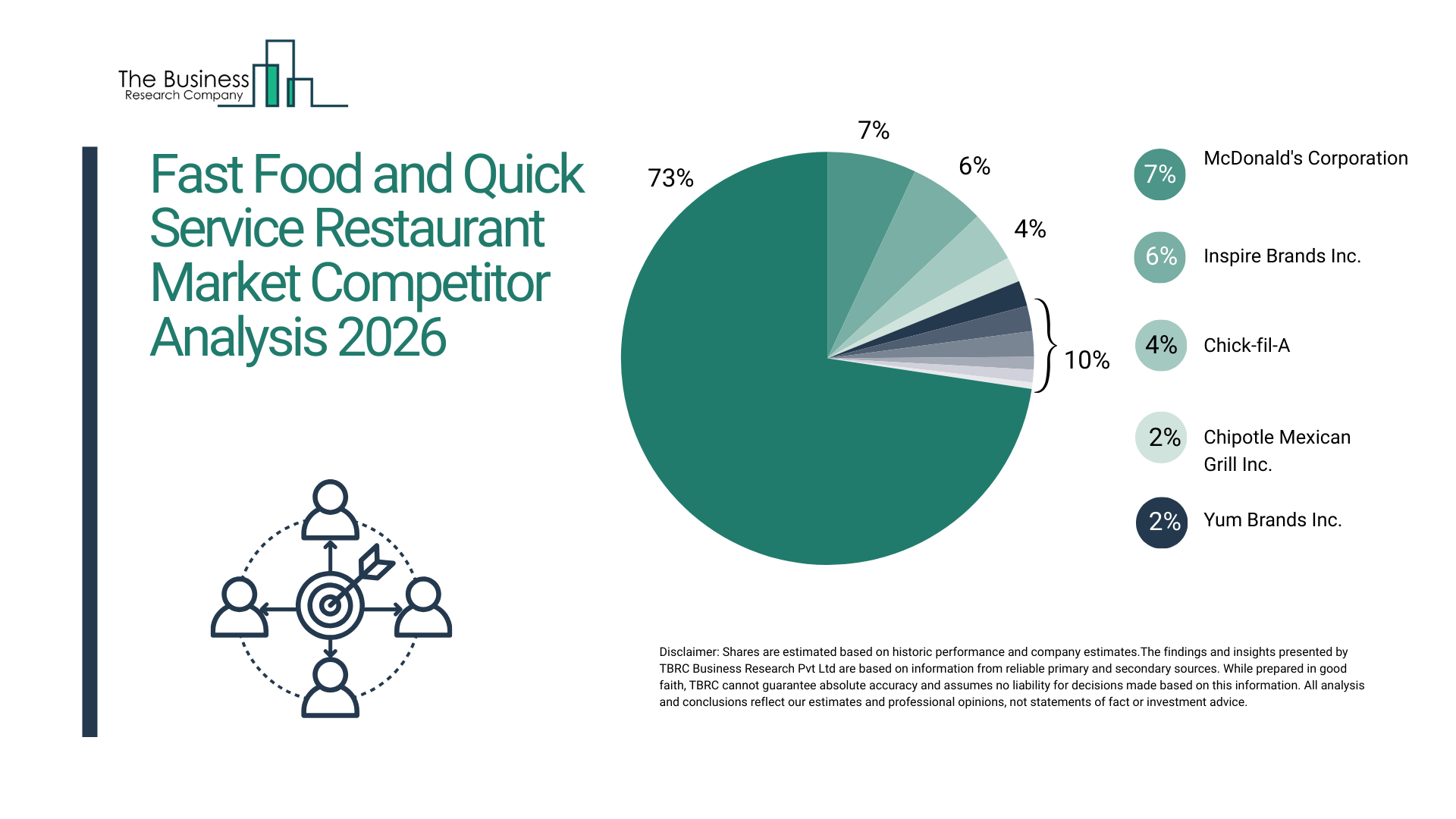
Analyzing Fast Casual Market Share Data for 2026
"It is an outright issue." Increasing labor expenses have actually been a challenge for hoteliers for several years, Davis said, particularly following the COVID-19 pandemic. Overall, hotel labor expenses have actually increased 15.3% from 2019 to 2025, outpacing the 12.8% development in total operating earnings, according to AHLA. In current years, thousands of union hotel employees have actually gone on strike requiring higher salaries in order to stay up to date with the increasing expense of living in places such as California, Hawaii and Las Vegas.
3, 2024 in San Francisco, California. Justin Sullivan by means of Getty Images In 2026, Davis noted, union settlements will be "front and center" in New York City, where the New York Hotel and Video gaming Trades Council's union agreement with the Hotel Association of New York City is set to expire in July.
Last year, the union backed New york city City's newly elected Mayor Zorhan Mamdani, who operated on a promise to raise New York City's base pay to $30 per hour by 2030. Hotel industry associations, consisting of AHLA, have denounced similar legislation across the nation, consisting of the just recently passed $30 wage regulation in Los Angeles. "Need has actually not stayed up to date with this rate," she said. "We're also seeing these difficulties compounded by legislation that targets hotel operations, such as severe labor and licensing policies like the New York City City Safe Hotels Act. When need is falling and expenses are soaring, the math just doesn't include up." Incomes, wages and payroll-related costs paid by hotels now account for more than 32% of overall earnings, according to AHLA.
The Outlook of 2026 Corporate Expansion Milestones
As more hotel guests turn to artificial intelligence to enhance their travel experience, scheduling hotels straight through big language designs (LLMs) might be next, hospitality experts stated. Agentic commerce a procedure by which self-governing AI representatives act upon behalf of a customer to discover, compare and finish purchases is a trend that has accelerated across industries like retail.
According to PwC's 2025 Vacation Outlook report, 76% of millennials stated they're most likely to utilize AI for travel suggestions. That number is growing, Jonathan Kletzel, PwC's travel, transport and logistics leader, informed Hotel Dive. Michael Klein Head of retail, travel and hospitality product marketing at Talkdesk To stay competitive with direct booking, larger multibrand hotel companies will "embed LLMs into their own brand sites and mobile apps, and change the way the customer searches," Kletzel stated.
"If you are not visible in an LLM search engine result which many brands aren't, and this is the big panic that they're all going through right now customers aren't going to consider you," he stated. Michael Klein, head of retail, travel and hospitality item marketing at AI client experience platform Talkdesk, similarly told Hotel Dive that hospitality players require to ensure their residential or commercial property info is being indexed by LLMs to appear in tourist queries.

Latest Posts
Is 2026 the Year for Major Growth

Major Expansion Targets for 2026
What Drives Corporate Growth in the Modern Market?